The Power And Importance Of Seismic Wire Rope

seismic wire rope, also known as geotechnical wire rope, is a critical component in seismic monitoring and measurement processes. These specialized wire ropes are designed to withstand extreme conditions and to provide accurate and reliable data for seismic events. In this article, we will explore the role of seismic wire rope in seismic monitoring, its construction, and maintenance, and how it has revolutionized the field of geotechnical engineering.
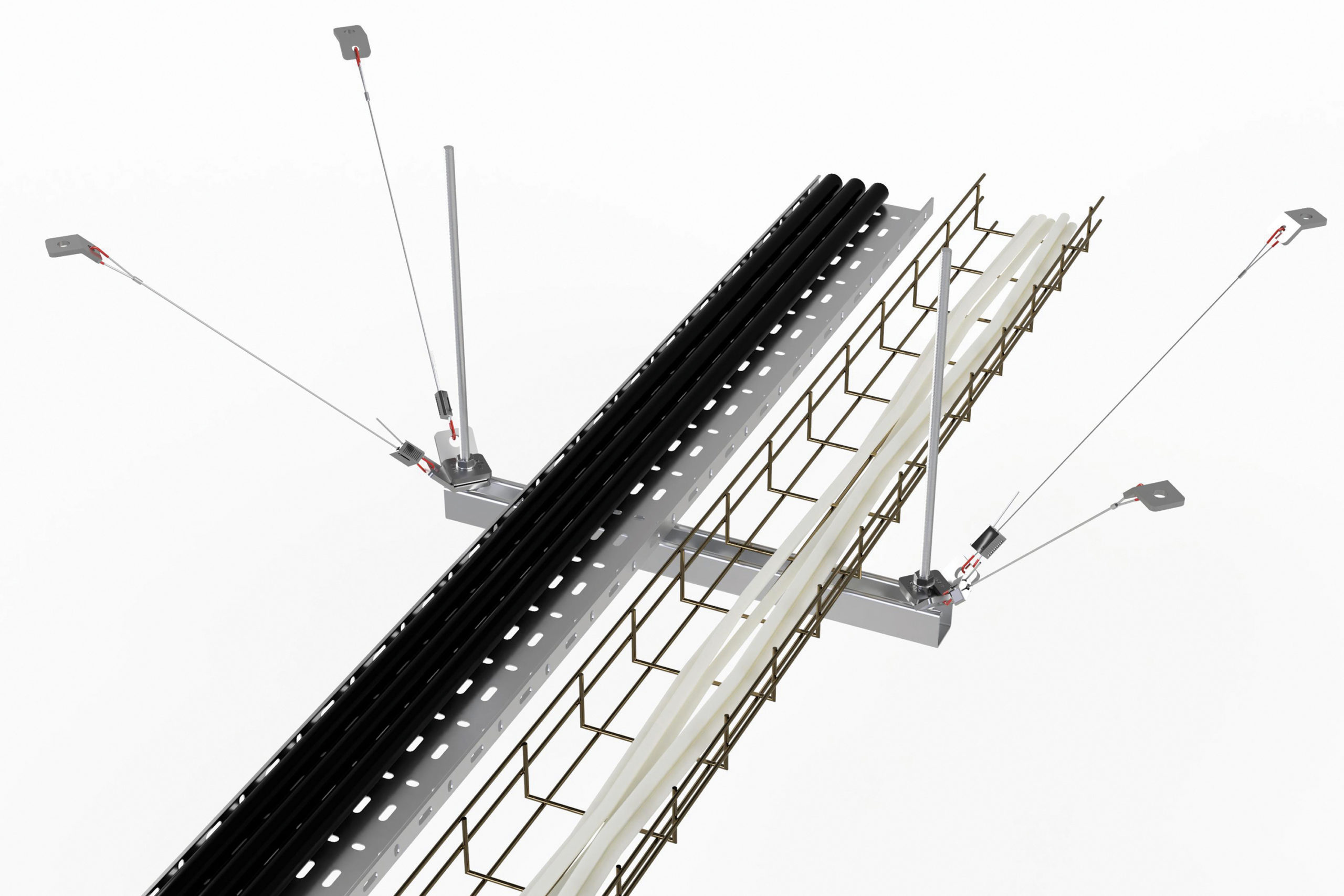
seismic wire rope is typically made of high-strength steel wires that are braided together to form a durable and flexible rope. These wires are treated with special coatings to protect them from corrosion and abrasion, ensuring their longevity and performance in harsh environments. The construction of seismic wire rope is a precise and intricate process that requires skilled technicians and state-of-the-art equipment to produce ropes that meet the strict requirements of seismic monitoring applications.

One of the key features of seismic wire rope is its ability to withstand high tension and extreme forces, making it ideal for use in seismic monitoring systems. These ropes are often used to support sensors and monitoring equipment in various seismic applications, such as earthquake detection, ground vibration monitoring, and structural health monitoring. The strength and durability of seismic wire rope make it a reliable and cost-effective solution for geotechnical engineers and researchers looking to gather accurate data on seismic events.

In seismic monitoring systems, seismic wire rope plays a crucial role in transmitting signals from sensors to data acquisition systems. These ropes are often used to suspend sensors in boreholes or on the surface of the ground, allowing them to accurately measure ground vibrations and seismic waves. The flexibility and strength of seismic wire rope enable it to withstand the dynamic forces generated by seismic events, ensuring that data is collected accurately and reliably.

In addition to its use in seismic monitoring systems, seismic wire rope is also used in a variety of other geotechnical applications, such as slope stability monitoring, landslide detection, and tunneling projects. The versatility and reliability of seismic wire rope make it a valuable tool for geotechnical engineers and researchers working in challenging environments. By using seismic wire rope, researchers can gather important data on ground movements, rock stability, and other geotechnical factors that can affect the safety and performance of structures and infrastructure.

Maintaining seismic wire rope is essential to ensure its long-term performance and reliability in seismic monitoring applications. Regular inspections and testing of the rope are necessary to detect any signs of wear, corrosion, or damage that could compromise its strength and integrity. The proper storage and handling of seismic wire rope are also important to prevent kinks and bends that could weaken the rope and affect its performance in seismic monitoring systems.

In conclusion, seismic wire rope is a critical component in seismic monitoring systems that plays a key role in capturing accurate and reliable data on seismic events. Its strength, durability, and flexibility make it an invaluable tool for geotechnical engineers and researchers working in challenging environments. By understanding the construction, maintenance, and applications of seismic wire rope, we can continue to improve our ability to monitor and measure seismic events and enhance our understanding of the forces that shape the Earth’s surface.

How Much Does An Employment Lawyer Cost?

Employment lawyers are legal professionals who specialize in employment law and provide legal advice and representation to both employees and employers. Whether you are facing workplace discrimination, wrongful termination, harassment, or any other employment-related issue, hiring an employment lawyer can be crucial to protecting your rights and getting the compensation you deserve. However, many people are hesitant to seek legal help because of concerns about the cost. So, how much does an employment lawyer cost?

The cost of hiring an employment lawyer can vary depending on various factors, such as the lawyer’s experience, expertise, location, the complexity of the case, and the amount of time and resources required to handle the case. Generally, employment lawyers charge their clients in one of three ways: hourly rates, flat fees, or contingency fees.

Hourly rates are the most common fee structure used by employment lawyers. Lawyers typically charge an hourly rate for their time spent on your case, which can range anywhere from $150 to $500 or more per hour, depending on the lawyer’s experience and reputation. The total cost will depend on how many hours the lawyer spends working on your case, so it’s important to discuss and clarify the hourly rate and estimated total cost before hiring the lawyer.

Flat fees are another common fee structure used by employment lawyers, especially for simple and straightforward cases. With a flat fee, you will pay a predetermined amount for the lawyer’s services, regardless of how long it takes to resolve the case. Flat fees are typically used for services such as drafting employment contracts, reviewing severance agreements, or providing legal advice on a specific issue. However, not all cases are suitable for flat fees, especially those that may require extensive litigation or negotiation.

Contingency fees are a third fee structure used by some employment lawyers, particularly in cases involving wage and hour violations, workplace discrimination, or wrongful termination. With a contingency fee arrangement, the lawyer’s fees are contingent on the outcome of the case. This means that the lawyer will only be paid if they win the case or reach a settlement on your behalf. In most cases, the lawyer will take a percentage of the total compensation awarded to you, typically ranging from 25% to 40%. However, keep in mind that if you lose the case, you will not be required to pay the lawyer any fees, but you may still be responsible for other costs, such as court fees, filing fees, and expert witness fees.

In addition to the fee structure, there may be additional costs associated with hiring an employment lawyer. These costs can include court filing fees, deposition fees, travel expenses, and expert witness fees. Make sure to discuss these additional costs with the lawyer upfront to avoid any surprises later on.

It’s important to note that the cost of hiring an employment lawyer should not be the only factor to consider when choosing legal representation. While cost is certainly an important consideration, it’s also essential to consider the lawyer’s experience, expertise, reputation, and track record of success in handling employment law cases. A skilled and experienced employment lawyer may cost more upfront, but they can ultimately save you time, money, and stress by achieving a favorable outcome in your case.

If you are concerned about the cost of hiring an employment lawyer, there are several options available to help you afford legal representation. Some lawyers offer payment plans or flexible fee arrangements to accommodate your budget. You may also be eligible for legal aid or pro bono services if you meet certain income requirements. Additionally, some employment lawyers offer free initial consultations to discuss your case and determine the best course of action.

In conclusion, the cost of hiring an employment lawyer can vary depending on various factors, such as the fee structure, the complexity of the case, and additional costs. It’s important to discuss and clarify the cost of hiring a lawyer before moving forward with legal representation. While cost is an important consideration, it’s also essential to choose a skilled and experienced employment lawyer who can effectively advocate for your rights and interests. With the right legal representation, you can navigate the complexities of employment law and achieve a favorable outcome in your case.

The Essential Role Of Construction Surveying Companies

construction surveying companies play an indispensable role in the construction industry by providing crucial information and services that are essential for successful project completion. These companies are responsible for ensuring that construction projects are implemented accurately and efficiently, laying the foundation for safe and successful building projects. In this article, we will delve deeper into the world of construction surveying companies and explore the vital role they play in the construction industry.

First and foremost, let us discuss what construction surveying companies actually do. construction surveying companies are responsible for measuring and mapping out the land before the construction process begins. They utilize sophisticated tools and technology to accurately determine the boundaries, elevations, and other important topographic features of the construction site. This information is essential for architects, engineers, and construction workers to plan and execute the construction project effectively.

One of the key services provided by construction surveying companies is staking out the construction site. This involves placing markers and stakes at precise locations on the ground to indicate where the foundation, walls, and other elements of the building will be constructed. Accurate staking is crucial to ensure that the building is constructed in the correct location and alignment, preventing costly mistakes and rework during the construction process.

In addition to staking out the construction site, construction surveying companies also provide as-built surveys at various stages of the construction process. As-built surveys involve measuring and documenting the actual location and dimensions of the constructed elements to ensure that they adhere to the design plans and specifications. These surveys are essential for quality control and verification purposes, helping to identify any discrepancies or deviations from the original plans.

Furthermore, construction surveying companies play a critical role in the development of infrastructure projects such as roads, bridges, and utilities. They are responsible for conducting topographic surveys to gather detailed information on the existing terrain and features of the construction site. This data is used to design and plan the construction of roads, bridges, and other infrastructure projects, ensuring that they are built in a safe and efficient manner.

construction surveying companies also play a crucial role in providing construction layout services. Construction layout involves transferring the design plans and specifications from paper to the actual construction site. Surveyors use advanced tools such as GPS, total stations, and laser levels to accurately mark out the locations of the building elements, ensuring that they are installed in the correct positions and alignments as per the design plans.

Another important service provided by construction surveying companies is boundary surveys. Boundary surveys are conducted to determine and demarcate the legal boundaries of a property. This is essential for landowners, developers, and real estate investors to clarify property lines, resolve property disputes, and ensure compliance with zoning regulations and building codes. Construction surveying companies play a key role in conducting boundary surveys accurately and professionally.

Moreover, construction surveying companies also provide elevation certificates for floodplain management and insurance purposes. Elevation certificates are used to document the elevation of a building relative to the base flood elevation in flood-prone areas. This information is crucial for determining flood insurance rates, flood risk assessments, and compliance with local building codes and regulations. Construction surveying companies help property owners and developers obtain accurate elevation certificates to protect their properties and investments.

In conclusion, construction surveying companies play a vital role in the construction industry by providing essential services that are crucial for the successful completion of construction projects. From staking out the construction site to conducting topographic surveys and providing elevation certificates, these companies are indispensable in ensuring that buildings and infrastructure projects are constructed accurately and efficiently. As technology continues to advance, construction surveying companies are adopting the latest tools and techniques to provide high-quality surveying services to clients. Whether it is a residential, commercial, or infrastructure project, construction surveying companies play a critical role in shaping the built environment and ensuring that construction projects are planned and executed with precision and accuracy.

Calculating The Costs And Payback Of Air Source Heat Pumps

Air source heat pumps have become an increasingly popular choice for homeowners looking to reduce their energy costs and carbon footprint These systems work by extracting heat from the outside air and transferring it into your home, providing an efficient and environmentally friendly way to heat your living space.

When considering the installation of an air source heat pump, one of the most important factors to take into account is the upfront costs involved The cost of purchasing and installing an air source heat pump can vary depending on a number of factors, including the size of your home, the efficiency of the system, and any additional work that may be required to retrofit the pump into your existing heating system.

On average, the cost of installing an air source heat pump can range from $5,000 to $10,000 This cost includes the price of the pump itself, as well as installation fees While this initial investment may seem high, it’s important to consider the long-term savings that can be achieved by using an air source heat pump.

One of the key benefits of air source heat pumps is their high level of energy efficiency These systems are able to produce up to three units of heat for every one unit of electricity they consume, making them much more cost-effective than traditional heating systems In fact, air source heat pumps can save homeowners up to 40% on their heating bills, leading to significant savings over time.

To determine the payback period of an air source heat pump, it’s important to consider both the upfront costs and the potential savings that can be achieved over the lifetime of the system On average, the payback period for an air source heat pump is around 7 to 10 years This means that within a decade of installing the system, homeowners can expect to recoup the initial investment through reduced energy bills.

In addition to the financial benefits, air source heat pumps also offer environmental advantages air source heat pumps costs and payback. By using renewable energy sources to heat your home, you can significantly reduce your carbon footprint and contribute to a more sustainable future This eco-friendly aspect of air source heat pumps is an important consideration for many homeowners looking to make their homes more energy efficient.

When calculating the costs and payback of air source heat pumps, it’s also important to take into account any available incentives or rebates that may be offered by federal, state, or local governments In some cases, homeowners may be eligible for tax credits or other financial incentives for installing an energy-efficient heating system.

Overall, air source heat pumps offer a cost-effective and environmentally friendly way to heat your home While the upfront costs may seem high, the long-term savings and benefits make them a smart investment for homeowners looking to reduce their energy bills and lower their carbon footprint By carefully considering the costs and payback of air source heat pumps, you can make an informed decision about whether this type of heating system is right for your home.

In conclusion, air source heat pumps can provide significant cost savings and environmental benefits for homeowners By investing in an air source heat pump, you can enjoy lower energy bills, a reduced carbon footprint, and a more sustainable way to heat your home With careful consideration of the upfront costs and potential payback, you can make a smart decision about whether an air source heat pump is the right choice for your heating needs.

Improving Acoustic Performance With Acoustic Grid Ceiling Tiles

acoustic grid ceiling tiles are becoming increasingly popular in commercial and residential spaces due to their ability to improve sound quality and create a noise-free environment. These tiles are highly effective in absorbing sound waves and reducing noise levels, making them an ideal solution for spaces where noise reduction is a priority.

One of the key benefits of acoustic grid ceiling tiles is their ability to enhance the overall acoustics of a room. When sound waves bounce off hard surfaces like walls and floors, they can create echoes and reverberations that make it difficult to hear clearly. acoustic grid ceiling tiles help to absorb these sound waves, preventing them from reflecting back into the room and creating a more pleasant acoustic environment.

In addition to improving acoustics, acoustic grid ceiling tiles can also help to reduce noise levels in a room. Whether it’s a bustling office space, a busy restaurant, or a crowded classroom, excessive noise can be a major distraction and cause discomfort for occupants. acoustic grid ceiling tiles help to minimize noise levels by absorbing sound waves and preventing them from traveling from one space to another. This can create a quieter and more peaceful environment for those inside the room.

Another advantage of acoustic grid ceiling tiles is their versatility and aesthetic appeal. These tiles come in a variety of styles, colors, and patterns, making it easy to find a design that complements the existing decor of a room. Whether you prefer a sleek, modern look or a more traditional aesthetic, there are acoustic grid ceiling tiles available to suit your needs. In addition, these tiles are easy to install and maintain, making them a practical choice for both new construction projects and renovations.

Acoustic grid ceiling tiles are also a cost-effective solution for improving acoustics in a room. By reducing noise levels and enhancing sound quality, these tiles can create a more comfortable and productive environment for those inside the space. This can lead to increased productivity, improved concentration, and a better overall experience for occupants. Additionally, acoustic grid ceiling tiles can help to reduce energy costs by improving the thermal performance of a room and reducing the need for artificial lighting and heating.

In conclusion, acoustic grid ceiling tiles are a highly effective solution for improving acoustics in commercial and residential spaces. By absorbing sound waves and reducing noise levels, these tiles can create a more pleasant and comfortable environment for occupants. With their versatility, aesthetic appeal, and cost-effectiveness, acoustic grid ceiling tiles are an excellent choice for anyone looking to enhance the acoustics of their space.

The Importance Of Building Information Modeling (BIM) Services In Construction

In the world of construction, accuracy, efficiency, and collaboration are necessary components for a successful project With the advancement of technology, Building Information Modeling (BIM) has become an essential tool in the industry BIM services allow for the creation and management of digital representations of physical and functional characteristics of a building By utilizing BIM services, construction professionals can streamline the project process, reduce errors, and improve communication among team members.

One of the key benefits of using BIM services in construction is the ability to create detailed and accurate 3D models of a building These models not only provide a visual representation of the project but also contain valuable information about the building’s components, materials, and spatial relationships This level of detail allows architects, engineers, and contractors to collaborate more effectively, identify potential issues before they arise, and make informed decisions throughout the construction process.

Furthermore, BIM services can help project teams improve coordination and communication by centralizing all project information in one digital platform This centralized access to data ensures that all team members are working from the same information, reducing the risk of errors and miscommunication Additionally, BIM services allow for real-time collaboration, enabling team members to make changes, share updates, and provide feedback instantly.

Another advantage of using BIM services in construction is the ability to conduct clash detection analysis Clash detection involves identifying conflicts or clashes between different building components, such as plumbing systems and structural elements By running clash detection analysis through BIM services, project teams can identify and resolve issues before construction begins, saving time and money in the long run This proactive approach to clash detection helps to minimize rework, reduce construction delays, and improve overall project productivity.

In addition to clash detection, BIM services also allow for the simulation of construction sequences and phasing building information modeling bim services. By creating virtual construction sequences, project teams can visualize the construction process, identify potential bottlenecks, and optimize project schedules This simulation capability enables construction professionals to plan and coordinate construction activities more efficiently, leading to a smoother and more successful project execution.

Moreover, BIM services can be used to generate accurate quantity takeoffs and cost estimates for a project By leveraging the information embedded in BIM models, project teams can extract detailed quantities of materials and components, as well as generate cost estimates based on current market rates This level of specificity and accuracy in quantity takeoffs and cost estimates helps project teams make informed decisions, control project budgets, and improve cost forecasting.

As technology continues to advance, so do the capabilities of BIM services in construction Cloud-based BIM services, for example, allow project teams to access and collaborate on project information from anywhere in the world, at any time This level of accessibility and flexibility enhances communication and coordination among team members, regardless of their physical location Additionally, cloud-based BIM services offer scalability, allowing project teams to easily expand or adjust their project needs as required.

In conclusion, Building Information Modeling (BIM) services have become an essential tool in the construction industry, providing numerous benefits to project teams From creating detailed 3D models to conducting clash detection analysis, BIM services streamline the project process, improve collaboration, and enhance communication among team members By leveraging the capabilities of BIM services, construction professionals can optimize project workflows, mitigate risks, and deliver successful projects on time and within budget The future of construction lies in the adoption and utilization of BIM services, driving innovation, efficiency, and excellence in the industry.

The Importance Of Utilizing A Financial Planning Service

financial planning service is an essential tool in ensuring your financial stability and success. Whether you are a seasoned investor or just starting to build your financial portfolio, having a solid financial plan in place can make a significant difference in achieving your financial goals.

Many people believe that financial planning is only for the wealthy or those approaching retirement. However, financial planning is beneficial for individuals of all income levels and life stages. A financial planner can help you create a comprehensive financial plan that takes into account your current financial situation, future goals, risk tolerance, and time horizon. By working with a financial planner, you can develop a roadmap to guide you towards financial success.

One of the primary benefits of using a financial planning service is that it can help you clarify your financial goals and identify any gaps in your current financial plan. A financial planner can work with you to determine what your financial goals are, whether it be saving for retirement, buying a home, funding your children’s education, or starting a business. Once your goals are established, a financial planner can help you create a plan to achieve them by outlining specific actions and strategies that align with your objectives.

Another advantage of utilizing a financial planning service is that it can help you manage risk and ensure that you are adequately prepared for unexpected events. A financial planner can assess your risk tolerance and recommend appropriate investment strategies to help you achieve your financial goals while minimizing risk. By diversifying your investment portfolio and using strategies such as asset allocation and rebalancing, a financial planner can help you weather market fluctuations and achieve long-term financial success.

In addition to helping you achieve your financial goals and manage risk, a financial planning service can also help you save money in the long run. Many people do not realize the impact that fees and expenses can have on their investment returns over time. A financial planner can help you optimize your investment portfolio by selecting low-cost investment options, such as index funds and ETFs, that can help you keep more of your investment returns.

Furthermore, a financial planner can help you maximize your tax efficiency by identifying tax-saving strategies and opportunities. By utilizing tax-efficient investment options, taking advantage of tax-deferred accounts like IRAs and 401(k)s, and implementing tax-loss harvesting strategies, a financial planner can help you minimize your tax liability and keep more of your hard-earned money.

Finally, a financial planning service can provide you with peace of mind knowing that you have a professional guiding you towards a secure financial future. A financial planner can monitor your progress, make adjustments to your plan as needed, and provide you with ongoing support and guidance as your financial situation evolves. By working with a financial planner, you can feel confident that you are on the right track towards achieving your financial goals and building a secure financial future for yourself and your loved ones.

In conclusion, utilizing a financial planning service is essential for ensuring your financial success and achieving your long-term financial goals. By working with a financial planner, you can create a comprehensive financial plan that aligns with your objectives, manages risk, saves you money, maximizes tax efficiency, and provides you with peace of mind. Whether you are just starting to build your financial portfolio or looking to optimize your existing investments, a financial planner can help you navigate the complexities of the financial world and guide you towards a secure financial future.

The Benefits Of Choosing An Independent Sixth Form College

Choosing the right educational institution for your post-16 studies is a crucial decision that can have a significant impact on your future. In recent years, independent sixth form colleges have gained popularity as an alternative to traditional schools. These institutions offer a range of advantages that can benefit students in various ways. In this article, we will explore the benefits of choosing an Independent Sixth Form college.

One of the key advantages of attending an Independent Sixth Form college is the small class sizes. Unlike in traditional schools where classes can be overcrowded, independent sixth form colleges typically have smaller class sizes. This allows for more personalized attention from teachers, who can provide individualized support and guidance to help students achieve their academic goals. With smaller class sizes, students are also more likely to actively participate in discussions and receive immediate feedback on their work.

Another benefit of attending an Independent Sixth Form college is the focus on academic excellence. These institutions are often known for their high academic standards and rigorous curriculum. Students are challenged to achieve their full potential and are encouraged to excel in their studies. Independent sixth form colleges also offer a wide range of subjects and qualifications, giving students the flexibility to pursue their interests and career aspirations.

In addition to academic excellence, independent sixth form colleges also place a strong emphasis on preparing students for higher education and the workforce. They provide comprehensive support in the university application process, including assistance with writing personal statements, preparing for interviews, and researching potential universities. Career guidance and work experience opportunities are also typically available, helping students to make informed decisions about their future.

Furthermore, independent sixth form colleges offer a more mature and independent learning environment compared to traditional schools. Students are treated as young adults and are given more freedom and responsibility for their studies. This helps to develop essential life skills such as time management, organization, and self-motivation, which are valuable both in further education and the workplace.

Moreover, independent sixth form colleges often have state-of-the-art facilities, including well-equipped classrooms, science laboratories, and libraries. These resources enhance the learning experience and provide students with access to the latest technology and equipment. Extracurricular activities such as sports, arts, and community service are also typically available, allowing students to develop their interests outside of the classroom.

Additionally, the supportive and inclusive environment of independent sixth form colleges fosters a sense of community and belonging among students. Classmates and teachers form strong relationships, creating a supportive network that helps students to thrive academically and personally. The smaller size of the college also means that students have the opportunity to get to know each other well and form lasting friendships.

Finally, independent sixth form colleges often have a high success rate in terms of exam results and university placements. The focus on academic excellence, personalized support, and preparation for higher education means that students are well-equipped to achieve their goals and secure a place at a top university. This track record of success provides reassurance to both students and parents that they are making the right choice in choosing an independent sixth form college.

In conclusion, attending an independent sixth form college offers a range of benefits that can help students to achieve their academic and personal goals. From small class sizes and academic excellence to preparation for higher education and a supportive learning environment, these institutions provide a strong foundation for success. If you are considering your post-16 options, choosing an Independent Sixth Form college may be the right decision for you.

Understanding The Importance Of IFC BIM Models In Construction Projects

In the realm of construction and architecture, Building Information Modeling (BIM) has emerged as a revolutionary tool for creating and managing digital representations of physical and functional characteristics of places. BIM allows architects, engineers, and construction professionals to design, analyze, and simulate buildings and infrastructure projects more effectively. One key element of BIM is the Industry Foundation Classes (IFC) data model, which plays a crucial role in enabling interoperability between different software applications used in the construction industry.

ifc bim model stands for Industry Foundation Classes (IFC) Building Information Modeling (BIM) models, which are digital representations of physical and functional characteristics of buildings and infrastructure projects. IFC BIM models are used to store and exchange information among different software applications, ensuring seamless collaboration and communication between project stakeholders. This interoperability is essential for ensuring the accuracy and consistency of project data throughout the building lifecycle.

One of the main advantages of using IFC BIM models is their ability to facilitate open standards for information exchange in the construction industry. IFC is an open file format that is maintained by buildingSMART International, a global consortium of construction industry stakeholders. By using IFC BIM models, project teams can avoid vendor lock-in and ensure that project data remains accessible and usable throughout the project lifecycle. This open approach to data exchange also promotes transparency and collaboration among project stakeholders, leading to better decision-making and improved project outcomes.

Another key benefit of using IFC BIM models is their ability to support multiple disciplines and project phases. Unlike traditional 2D design tools, BIM enables architects, engineers, and contractors to work together in a shared digital environment, fostering better coordination and communication. IFC BIM models can contain information about building geometry, materials, properties, spatial relationships, and much more, making them valuable resources for all project stakeholders. This comprehensive data model helps to improve project efficiency, reduce errors, and enhance overall project quality.

IFC BIM models also play a vital role in enhancing the sustainability and energy efficiency of buildings. By including information about building energy performance, thermal properties, and environmental impact in BIM models, project teams can evaluate different design alternatives and make informed decisions about energy consumption and environmental impact. This data-driven approach to sustainability helps to create more sustainable buildings that are better for the environment and for occupants.

In addition to improving project efficiency and sustainability, IFC BIM models also support better project documentation and asset management. Because BIM models contain detailed information about building components and systems, they can be leveraged for facility management and maintenance purposes. By using IFC BIM models for asset management, building owners and operators can better understand the layout, condition, and performance of building systems, leading to improved maintenance planning and cost savings over time.

Overall, the use of IFC BIM models in construction projects offers numerous benefits for project stakeholders. From improving collaboration and communication to enhancing project efficiency and sustainability, IFC BIM models play a crucial role in driving innovation and excellence in the construction industry. By embracing open standards for information exchange and leveraging the power of BIM technology, project teams can achieve better project outcomes and deliver higher quality buildings for clients and end-users.

As the construction industry continues to embrace digital transformation and adopt new technologies, the use of IFC BIM models is expected to become even more widespread. By harnessing the power of BIM technology and open standards for data exchange, project teams can unlock new opportunities for collaboration, innovation, and growth. With IFC BIM models leading the way, the future of construction looks brighter than ever before.

Everything You Need To Know About 6th Forms In Birmingham

When it comes to further education in Birmingham, 6th forms play a crucial role in shaping the academic and professional future of students. 6th forms in birmingham provide students with the opportunity to continue their education after completing secondary school, offering a wide range of A-Level courses and vocational qualifications to suit their interests and career aspirations.

Birmingham is home to a diverse range of 6th forms, each with its own unique characteristics and focus areas. From traditional academic institutions to schools specializing in specific subjects like performing arts or business, students in Birmingham have plenty of options to choose from when it comes to continuing their education post-16.

One of the key benefits of attending a 6th form in Birmingham is the personalized learning experience it offers. With smaller class sizes and dedicated teachers, students can receive individualized support and guidance to help them achieve their academic goals. This level of personalized attention can make a significant difference in a student’s academic performance and overall confidence.

Another advantage of attending a 6th form in Birmingham is the wide range of extracurricular activities and enrichment opportunities available. Many 6th forms offer sports teams, drama clubs, and volunteering opportunities, allowing students to develop their interests and skills outside of the classroom. These activities not only enhance students’ personal development but also look impressive on college and job applications.

Furthermore, 6th forms in birmingham often have strong links with local universities and businesses, providing students with valuable networking opportunities and real-world experiences. Whether through work placements, guest speakers, or industry visits, these connections can help students gain insight into their chosen field and make informed decisions about their future career paths.

For students who are unsure about their next steps or need additional support, many 6th forms in birmingham offer comprehensive careers guidance and counseling services. These services help students explore their interests, talents, and career options, providing them with the tools they need to make informed decisions about their future.

When it comes to academic performance, 6th forms in Birmingham have a strong track record of success. Many schools consistently achieve high A-Level results, with students going on to study at top universities or secure competitive apprenticeships. This academic excellence is a testament to the quality of teaching and support available at 6th forms in Birmingham.

Despite the many benefits of attending a 6th form in Birmingham, it’s important for students to carefully research and visit different schools to find the one that best suits their needs and aspirations. Factors to consider include the range of courses offered, the quality of teaching staff, the school’s facilities, and the overall ethos and culture of the institution.

In conclusion, 6th forms in Birmingham offer a unique and valuable educational experience for students looking to further their studies post-16. With personalized learning, a wide range of extracurricular activities, strong links to universities and businesses, and a track record of academic success, attending a 6th form in Birmingham can provide students with the skills, knowledge, and confidence they need to succeed in their future endeavors. So whether you’re interested in pursuing a traditional academic path or looking to specialize in a specific field, there’s a 6th form in Birmingham that’s right for you.