seismic wire rope, also known as geotechnical wire rope, is a critical component in seismic monitoring and measurement processes. These specialized wire ropes are designed to withstand extreme conditions and to provide accurate and reliable data for seismic events. In this article, we will explore the role of seismic wire rope in seismic monitoring, its construction, and maintenance, and how it has revolutionized the field of geotechnical engineering.
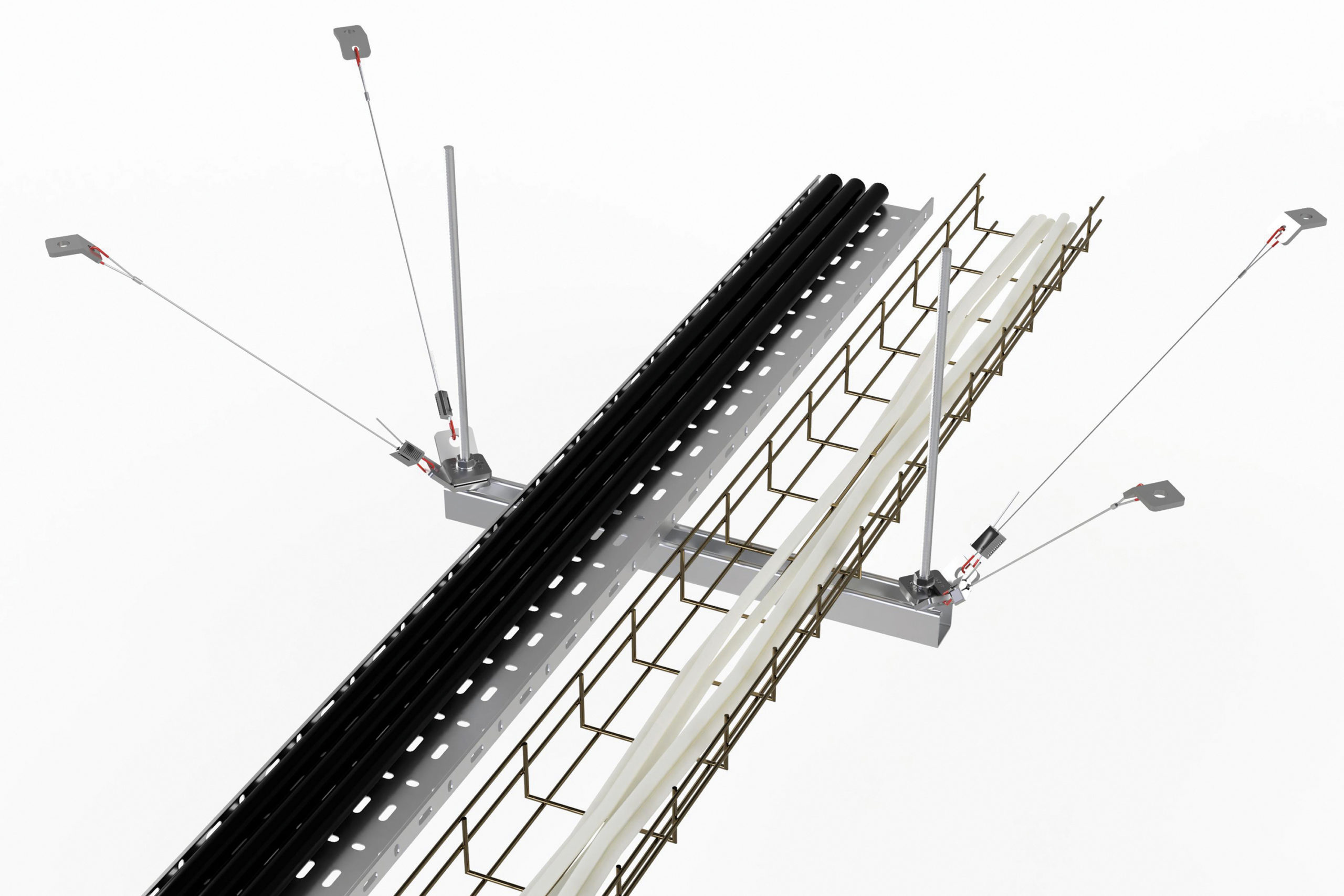
seismic wire rope is typically made of high-strength steel wires that are braided together to form a durable and flexible rope. These wires are treated with special coatings to protect them from corrosion and abrasion, ensuring their longevity and performance in harsh environments. The construction of seismic wire rope is a precise and intricate process that requires skilled technicians and state-of-the-art equipment to produce ropes that meet the strict requirements of seismic monitoring applications.
One of the key features of seismic wire rope is its ability to withstand high tension and extreme forces, making it ideal for use in seismic monitoring systems. These ropes are often used to support sensors and monitoring equipment in various seismic applications, such as earthquake detection, ground vibration monitoring, and structural health monitoring. The strength and durability of seismic wire rope make it a reliable and cost-effective solution for geotechnical engineers and researchers looking to gather accurate data on seismic events.
In seismic monitoring systems, seismic wire rope plays a crucial role in transmitting signals from sensors to data acquisition systems. These ropes are often used to suspend sensors in boreholes or on the surface of the ground, allowing them to accurately measure ground vibrations and seismic waves. The flexibility and strength of seismic wire rope enable it to withstand the dynamic forces generated by seismic events, ensuring that data is collected accurately and reliably.
In addition to its use in seismic monitoring systems, seismic wire rope is also used in a variety of other geotechnical applications, such as slope stability monitoring, landslide detection, and tunneling projects. The versatility and reliability of seismic wire rope make it a valuable tool for geotechnical engineers and researchers working in challenging environments. By using seismic wire rope, researchers can gather important data on ground movements, rock stability, and other geotechnical factors that can affect the safety and performance of structures and infrastructure.
Maintaining seismic wire rope is essential to ensure its long-term performance and reliability in seismic monitoring applications. Regular inspections and testing of the rope are necessary to detect any signs of wear, corrosion, or damage that could compromise its strength and integrity. The proper storage and handling of seismic wire rope are also important to prevent kinks and bends that could weaken the rope and affect its performance in seismic monitoring systems.
In conclusion, seismic wire rope is a critical component in seismic monitoring systems that plays a key role in capturing accurate and reliable data on seismic events. Its strength, durability, and flexibility make it an invaluable tool for geotechnical engineers and researchers working in challenging environments. By understanding the construction, maintenance, and applications of seismic wire rope, we can continue to improve our ability to monitor and measure seismic events and enhance our understanding of the forces that shape the Earth’s surface.